Introduction: The Enchanting World of Pre-Colonial Indonesian Literature
In the vast archipelago of Indonesia, a rich legacy of literary tradition blossomed long before the rise of colonial influences. Studying pre-colonial Indonesian literature resources opens a fascinating window into indigenous philosophies, histories, poetic forms, and storytelling customs. With vibrant oral narratives, exceptional manuscripts, and indigenous scripts, Indonesia’s pre-colonial literary heritage forms the foundation of modern Indonesian identity and culture.

The Historical Context: Understanding the Landscape
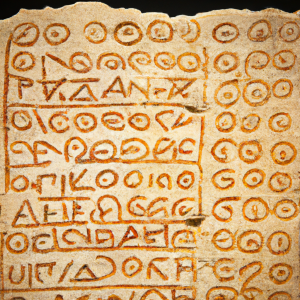
Indonesian pre-colonial literature spans hundreds of years and a diverse tapestry of ethnic groups including the Javanese, Balinese, Sundanese, Bugis, and Minangkabau. Literature was preserved in oral traditions, palm-leaf manuscripts (lontar), and stone or copper inscriptions. This period, predating Dutch colonization, was profoundly shaped by Hindu-Buddhist kingdoms and later the spread of Islam, both of which enriched local storytelling forms and literary genres.
- Key Scripts: Kawi, Pallava, Javanese, Balinese, Bugis Lontara
- Famous Kingdoms: Majapahit, Sriwijaya, Mataram
- Popular Literary Forms: Epic poetry, chronicles (babad), myths, fables (hikayat), and instructional texts
Types of Literary Works: Oral and Written Heritage
One of the primary challenges in studying pre-colonial Indonesian literature resources is the diverse types and forms it assumes. Here are some significant examples:
1. Oral Storytelling Traditions
Many ethnic groups cultivated complex oral traditions, including performance arts such as wayang (shadow puppetry), pantun (rhymed verse), and folk tales. These stories often transmitted communal values, history, and spirituality.
- Wayang Kulit: Dramatizations of Ramayana and Mahabharata, adapted into local versions.
- Pantun: A poetic form characterized by quatrains and rich metaphorical language.
2. Manuscript Traditions
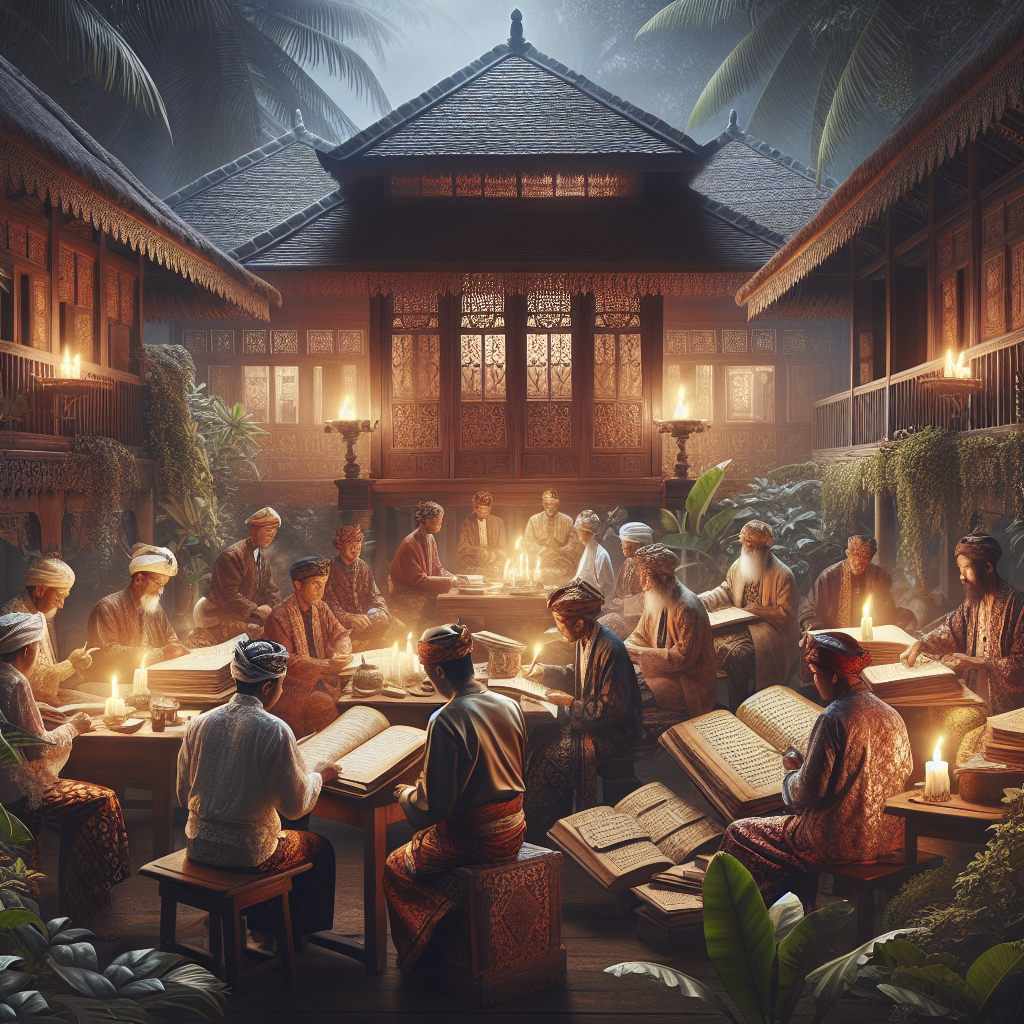
The use of palm leaves, bark, and bamboo as writing materials was common for producing lontar manuscripts. These texts included kakawin (epic poems), babads (chronicles), and serats (manuals or essays). Scribes played a crucial role in preserving dynastic histories, legends, and moral instruction.

3. Religious and Didactic Texts
The influence of Indian epics and Islamic texts is readily visible. Works like Nagarakretagama, Serat Centhini, and Hikayat Hang Tuah explore religious values, societal norms, and spiritual quests. These documents serve both as sacred literature and as guides for cultural behavior.
Scripts and Languages: Voices from Across the Archipelago
The diversity of Indonesia’s languages and scripts is a testament to its multicultural society. Kawi and Old Javanese were major literary languages, while Balinese, Sundanese, Bugis, and Malay were later adopted for various folktales, poems, and religious stories. The Pallava script from South India provided the basis for many local scripts.
- Kawi – for epic poems and inscriptions
- Malay – medium of hikayat storytelling
- Lontara script – Bugis epic literature like Sureq Galigo
Preservation and Transmission: From Oral to Written Word
Preserving pre-colonial Indonesian literature resources involves the complex transition from oral storytelling to written documents. Manuscripts were often copied by hand in scriptoriums, while oral tales survived through ritual performances and family transmission. These efforts ensured the continuity of Indonesian knowledge, ethics, and creativity across generations. Unfortunately, climatic factors and colonial-era destruction led to the loss of countless invaluable resources.

Contemporary Significance: Lessons for Modern Readers
Why is studying pre-colonial Indonesian literature resources essential in the present day? First, they preserve identity and local wisdom. Many of today’s celebrated Indonesian works draw inspiration from classic forms like pantun or wayang. Second, these resources encourage multilingual appreciation and facilitate understanding of Southeast Asian cultural crossroads. Finally, pre-colonial literature provides insights into resilience, diversity, and the flourishing of creative spirit before colonial imposition.
How Researchers Study Ancient Indonesian Literature
- Philological Analysis: Evaluating manuscripts, inscriptions, and oral records
- Comparative Literature: Examining local adaptations of epics and myths
- Paleography: Deciphering scripts and reconstructing texts
- Ethnographic Fieldwork: Recording living oral traditions in rural communities
LSI Keywords for Effective Research
To uncover comprehensive information on this topic, employ these Latent Semantic Indexing (LSI) keywords in your research:
- Ancient Indonesian texts
- Lontar manuscripts
- Old Javanese poetry
- Wayang stories
- Bugis script literature
- Epic poetry Indonesia
- Traditional storytelling in Indonesia
- Indonesian script studies
- Babad chronicles
- Hikayat Malay literature
Final Thoughts: A Legacy Worth Exploring
Delving into pre-colonial Indonesian literature resources means embarking on a journey through the songs, legends, proverbs, and great epics of Indonesia’s many islands and peoples. The preservation and study of these resources is vital not only for understanding Indonesia’s past, but also for inspiring new generations of readers, writers, and artists fascinated by their rich literary heritage.